


Hey, it's Eric.
If you are buying a home in McAllen, Edinburg, Mission, Pharr, Weslaco, or San Juan, home inspections in Texas are not a box to check and forget. They are how you find out what you are really buying, before the option period ends and before a small issue becomes a big bill you own. In my experience, buyers who take the inspection seriously make calmer decisions, negotiate better, and walk into closing with fewer surprises.
A home can look great in photos and still hide problems with the roof, the air conditioning, the plumbing, or the electrical system. The inspection will not tell you a home is perfect. It will tell you where to look closer and what to budget for after you move in.
Why Home Inspections in Texas Matter So Much in the Valley
Our heat and humidity in south Texas are hard on houses. Air conditioning runs long hours for much of the year. Heavy rain can test roofs and drainage in a single afternoon. Sun and heat age roofing, caulk, and paint faster than in cooler climates. That is why home inspections in Texas need a close look at the systems that keep a home cool, dry, and safe. A weak AC system is not a minor detail here.
If you are still weighing what type of home fits you, my guide on New Construction vs Resale Homes in the RGV: Pros and Cons is a good companion read. New homes and resale homes both benefit from an inspection, but the questions you ask are not always the same.
What a Texas Home Inspection Usually Covers
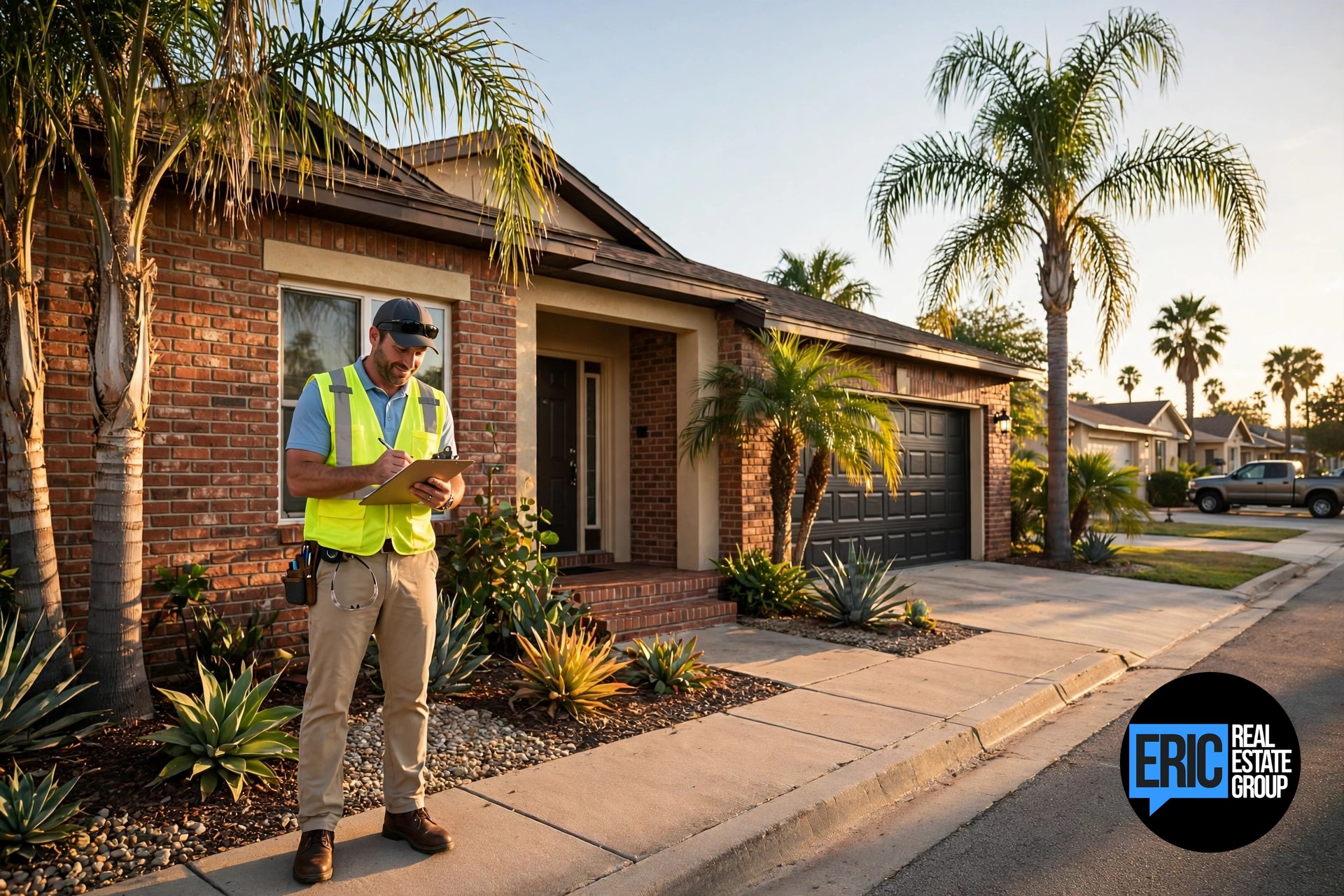
A licensed home inspector in Texas checks the major systems that are visible and accessible at the time of the visit. Think of it as a broad health check, not a teardown.
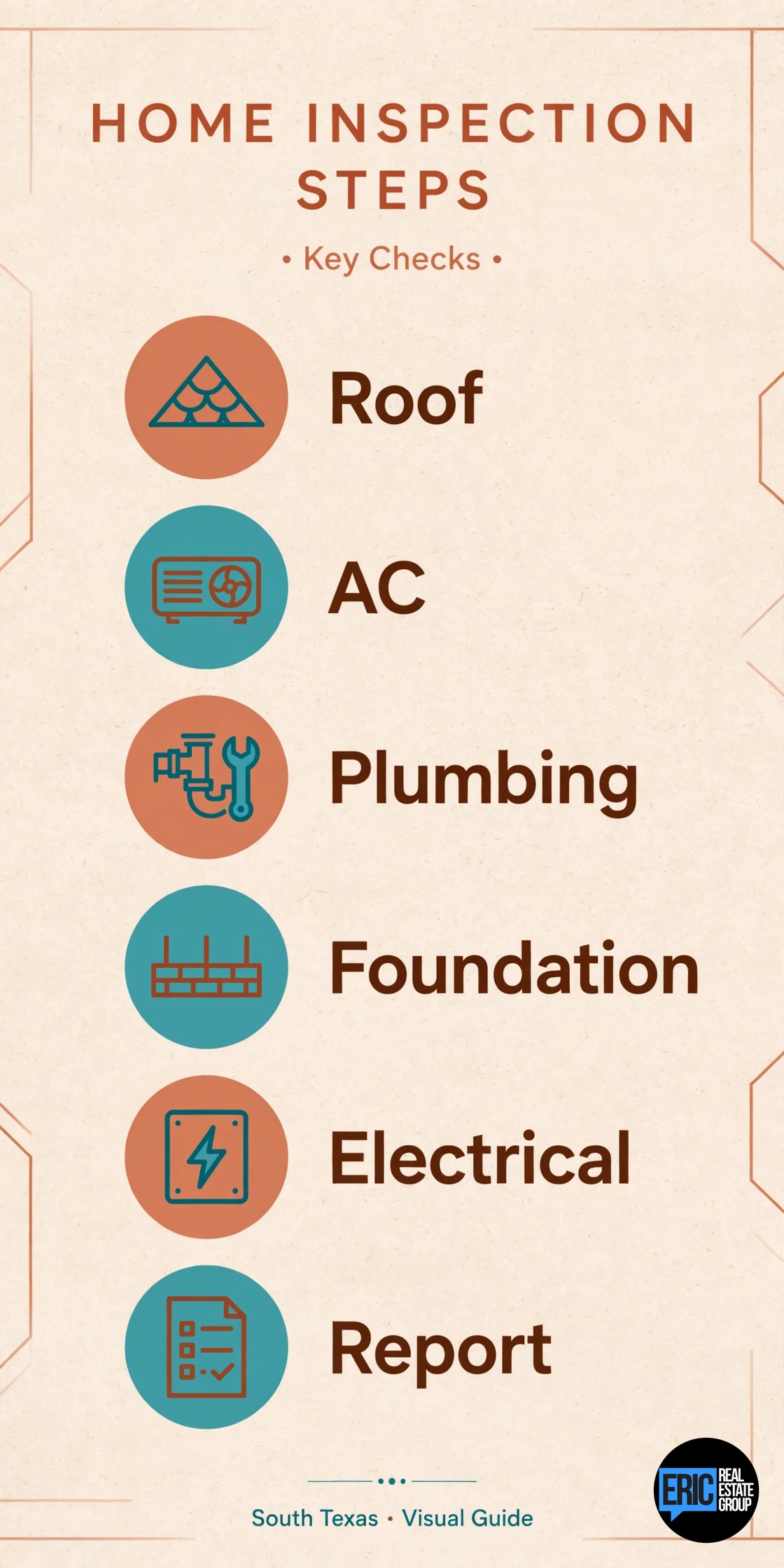
Most general inspections look at:
- Roof, attic, and ventilation, including signs of leaks
- Foundation and structure, including doors and windows that stick
- Electrical panel, outlets, and visible wiring
- Plumbing, water pressure, drains, and the water heater
- Heating and air conditioning, and whether they work on that day
- Built in appliances that are part of the sale
- Walls, ceilings, and floors for signs of water or movement
The inspector will note items as deficient or worth monitoring, and will usually include photos. Read the full report, not just the summary. An inspector does not open walls or guarantee that a system will last a set number of years. If something needs a deeper look, the inspector may recommend a licensed specialist.
The Valley Specific Checks Buyers Should Not Skip
In my experience across the Valley, these are the areas to watch closest.
First, air conditioning. Ask whether the system cooled properly and whether there are signs of poor drainage. A condensate line that is not draining well can cause water damage.
Second, the roof and drainage. Look for damaged shingles, stains on ceilings, and signs that water pools near the foundation. Check that grading moves water away from the house.
Third, plumbing and water. Ask about water pressure, any active leaks under sinks, and the age and condition of the water heater as reported by the inspector.
Fourth, foundation and movement. Small cracks can be cosmetic, and some movement is common in Texas soils. What matters is pattern, size, and whether doors and floors show related signs. If the report suggests further evaluation, get a specialist opinion as recommended.
Fifth, electrical safety. Older homes in McAllen and Weslaco may have panels or wiring that need updating for safety or insurability. If the inspector flags the panel, follow up.
Optional Inspections That Can Be Worth It
A general inspection is the starting point. Depending on the home, you may also want:
- A wood destroying insect report, often called a termite or WDI inspection
- A sewer line scope on older homes, if a plumber recommends it after slow drainage
- A pool inspection if the home has a pool, covering pumps and safety features
- Septic or well inspections for properties outside city services
- A specialist AC, roof, or foundation evaluation when the report recommends one
Not every home needs every extra test. Ask your inspector and ask me what makes sense for that specific address, its age, and what the general report found.
As you plan your questions, my earlier list of 10 Questions to Ask Before Buying a Home in Edinburg TX can help you sort what to ask the seller, the inspector, and your lender.
How Inspections Fit Into the Texas Option Period
In a typical Texas contract, the buyer and seller negotiate an option period. That is a set window, agreed in the contract, when the buyer can have inspections done and, under the contract terms, can terminate for a reason allowed during that period by giving proper notice. Read your signed contract closely and do not miss a date.
Use that window well:
- Schedule the inspection as early as you can after signing
- Be there for the last part if the inspector allows it
- Read the report the same day it arrives
- Decide quickly what is safety, what is a major system, and what is upkeep
- Talk with me right away about repair requests or credits, so any amendment is signed before deadlines pass
My step by step overview, How to Buy a House in the Rio Grande Valley: A Step by Step Guide, shows where this inspection window sits in the full timeline from pre approval to keys.
What to Do With the Inspection Report
Do not panic at the length of a report. Inspectors note even minor items. Sort the findings into three groups. Group one is health and safety. Group two is major systems that affect daily living or near term cost, like roof, AC, plumbing, and electrical. Group three is cosmetic and routine upkeep you can plan for over time.
Then decide with clear eyes. Some buyers ask the seller to complete specific repairs. Some prefer a credit and want to hire their own contractor after closing. Some findings are a reason to walk away during the option period if the contract allows it. There is no single right answer for every home.
The Bottom Line on Home Inspections in Texas
Home inspections in Texas protect you when they are done early, read carefully, and acted on before deadlines pass. In the Valley, pay close attention to cooling, roof and water, plumbing, foundation signs, and electrical safety. Get specialist follow up when the report recommends it, and use your option period with purpose, not at the last minute.
I will help you schedule fast, read the report with you, and talk through your options in plain language so you can decide with confidence.
Looking to buy or sell in the Rio Grande Valley?
Eric Jimenez | Eric Real Estate Group, LLC | 956-292-4500 | eric@bettercalleric.com | bettercalleric.com
Better Call Eric. Listings that sell.